ICYMI IN AUGUST: Senator Murray Champions Wild Olympics Bill on Senate Floor —VIDEO HERE
ICYMI: Senator Murray & Representative Randall Reintroduce Wild Olympics Bill to Permanently Protect Wild Olympics Wilderness and Rivers
Photos of Wild Olympics available for use HERE
Washington, D.C. — Today, U.S. Senator Patty Murray (D-WA) advanced her Wild Olympics Wilderness & Wild and Scenic Rivers Act through a hearing before the Senate Energy and Natural Resources Public Lands Subcommittee, a key milestone in the legislative process toward becoming law. The hearing came after a wave of new endorsements from sportsmen organizations—including the Washington Chapter of Backcountry Hunters & Anglers and the Washington Council of Trout Unlimited—who sent a letter urging the Committee to pass Wild Olympics to protect hunting, fishing and salmon streams for the future against the increasing threats to public land. The new endorsements bring the total number of sportsmen organizations backing Wild Olympics to nearly 40.The Wild Olympics Wilderness & Wild and Scenic Rivers Act, which Senator Murray reintroduced in May with U.S. Representative Emily Randall (D, WA-06) would permanently protect approximately 125,000 acres of Olympic National Forest as wilderness and 19 rivers and their major tributaries—a total of 464 river miles—as Wild and Scenic Rivers.
“The movement behind our Wild Olympics legislation continues to grow year after year thanks to the tireless work of our coalition of sportsmen, conservationists, Tribes, businesses, local leaders, timber communities, shellfish growers, and so many others,” said Senator Murray. “Today’s Senate hearing is a significant step forward for our effort to permanently protect key areas of the Olympic National Forest—a crown jewel in Washington state—while preserving world-class recreation opportunities and supporting local economies. As long as I’m in the Senate, I won’t stop fighting to win the support we need to get our Wild Olympics bill across the finish line and protect these treasured areas on the Olympic Peninsula for generations to come.”
The bill’s inclusion in the hearing came after Senator Murray took to the Senate floor in August to block a public lands package that did not include the Wild Olympics bill. On the Senate floor, Murray said about the Wild Olympics Wilderness & Wild and Scenic Rivers Act: “It is a carefully drafted, it’s a thoughtful piece of legislation and the grassroots support for this bill has only grown over the years. That is exactly the kind of bill which should be included in a bipartisan public lands package. I would invite the Senior Senator of Utah to visit the land this bill covers to help protect our Olympic National Forest… I hope in the future we can work together in drafting a public lands bill that does include legislation like my Wild Olympics bill.” Video of Senator Murray’s remarks on the Senate floor is HERE.
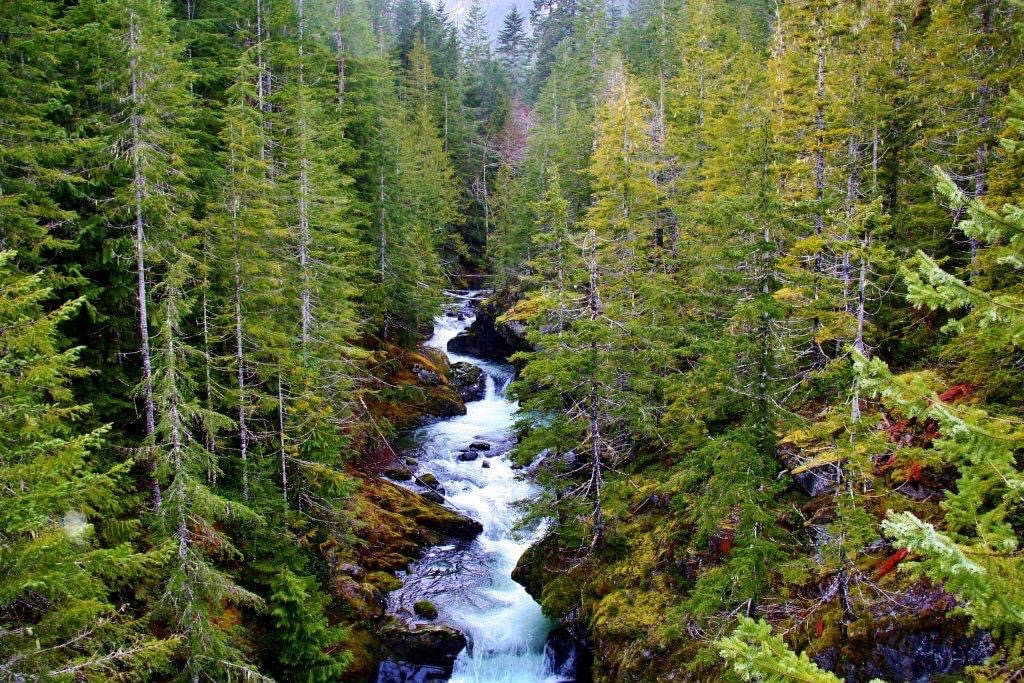
Designed through extensive community input to conserve ancient forests and pristine rivers, protect clean water and salmon habitat, and enhance outdoor recreation, the Wild Olympics Wilderness & Wild and Scenic Rivers Act would set aside the first new wilderness on Olympic National Forest in over four decades and the first-ever protected wild and scenic rivers on the Olympic Peninsula. With a strong foundation of overwhelming local support, the bill has made steady progress each successive Congress—passing the House with bipartisan support twice before and passing out of the Senate Energy and Natural Resources Committee last Congress for the first time in the bill’s history.
“The forests, rivers, and wilderness of our region shape how we live, work, and play. And for communities around the Olympic Peninsula, access to these resources can make or break local economies,” said Representative Randall when the bill was introduced in May. “This bill protects the remote wilderness we treasure while ensuring access where it is essential for livelihoods, recreation, emergency response, and cultural practices. Protecting our natural resources also means protecting local economies, livelihoods, and Tribal Sovereignty. I’m grateful to all who have shaped this bill and Senator Murray for her leadership to secure the future of the community we proudly call home.”
Senator Murray and former U.S. Representatives Norm Dicks and Derek Kilmer spent years gathering extensive community input on the Olympic Peninsula to craft the carefully balanced legislation, which was first introduced in 2012. It would permanently preserve ancient and mature forests, critical salmon habitat, and sources of clean drinking water for local communities, while also protecting and expanding world-class outdoor recreation opportunities like hiking, camping, boating, hunting, and fishing. No roads would be closed, and trailhead access would not be affected.
Senator Murray worked extensively with local and regional timber interests to remove any currently viable timber base from the proposal to ensure the legislation would have no impact on existing timber jobs, as confirmed in a 2012 Timber Impact Study by the respected independent Forester Derek Churchill.
Aberdeen Forest Products Consultant and Former Timber CEO Roy Nott said in his July 10th 2019 testimony before the House Natural Resources Committee, “My own experience as a CEO and Entrepreneur is that our area’s natural treasures—which provide world-class outdoor recreation, clean water and our area’s high quality of living—are what give us a competitive edge over other regions in attracting and retaining the talented people new companies require. Wilderness and wild and scenic river protections would help protect and grow the local jobs that depend on our ability to compete for talent against other regions, and they would enhance our recruitment efforts as we work to grow new businesses in the future. And as a former Timber Industry Executive, I appreciate that (the) final compromise proposal was scaled-back to ensure it would not impact current timber jobs.”
Today’s committee hearing came on a recent wave of other new local endorsements also rallying behind the Wild Olympics Wilderness and Wild & Scenic Rivers Act against the backdrop of increasing threats to public land. The new additions bring the total number of local Olympic Peninsula & Hood Canal region endorsements to more than 800 endorsers, including the Quinault Indian Nation, Quileute, Lower Elwha Klallam and Jamestown S’Klallam Tribes; now nearly 40 local sportsmen organizations and fishing guides; the mayors of Port Angeles, Port Townsend, Westport and other local elected officials; businesses and CEOs; farms and faith leaders; conservation and outdoor recreation groups; and many others. Additionally, more than 14,000 local residents have signed petitions in support.
Below are just a few of many local testimonials in support of the Wild Olympics Wilderness & Wild and Scenic Rivers Act:
Chairman Ron Allen, Jamestown S’Klallam Tribe: “As stated in the Northwest Indian Fisheries Commission’s “Treaty Rights at Risk” report, “Salmon recovery is based on the crucial premise that we can protect what habitat remains while we restore previously degraded habitat conditions. Unfortunately, significant investments in recovery may not be realized because the rate of habitat loss continues to outpace restoration. The resulting net decline in habitat demonstrates the federal government’s failure to protect the Tribes’ treaty-reserved rights.” In an era where we are witnessing unprecedented rollbacks of environmental safeguards on federal public lands, the Wild Olympics legislation would permanently protect some of the healthiest, intact salmon habitat left on the Peninsula. It is our heritage and cultural principles to protect the lands and waters Nature provides, as well as the natural resources she sustains. Therefore, we do continue to support and urge swift passage of the Wild Olympics Wilderness & Wild and Scenic Rivers Act.”
Chairwoman Frances Charles, Lower Elwha Klallam Tribe: “The Lower Elwha Klallam Tribe (“Lower Elwha”) strongly supports the proposed Wild Olympics Wilderness and Wild and Scenic Rivers Act. We believe that it represents a fair compromise between potentially competing interests of preservation, economic use, and recreation. This legislation creates 126,600 acres of new wilderness and nineteen new wild and scenic rivers designations in the Olympic National Forest, the Olympic National Park and Washington State Department of Natural Resource-managed land. For Lower Elwha, the most important aspect of these new designations is the increased protection for salmon habitat. And we appreciate that it expressly acknowledges the fundamental interests and expertise of all treaty tribes in the restoration of fish habitat. This is an important complement to our ongoing successes, along with our federal and State partners, in restoring Elwha River fisheries in the aftermath of dam removal.”
Connie Gallant, Chair, Wild Olympics Campaign (Quilcene): “We are so grateful for Senator Murray and Representative Randall’s leadership at this critical time for our public lands. The local momentum for the Wild Olympics Act has never been stronger and the need for its protections for our ancient forests & salmon streams has never been greater.”
Bill Taylor, President of Taylor Shellfish Farms (Shelton): “The Wild Olympics legislation will help protect our state’s shellfish industry, including hundreds of shell fishing jobs in Hood Canal alone – and many more in related industries like processing, shipping, and sales. It protects the rivers and streams vital to the health of our hatcheries and to the health and restoration of Puget Sound. Our oyster beds depend on the clean, cold, silt-free water that drains off Olympic National Forest into Hood Canal. Protecting these watersheds allows our industry to grow, expand and continue to benefit the economy and ecology of Washington State.”
Ashley Nichole Lewis, Bad Ash Outdoors (Taholah), Sportsmen For Wild Olympics and Member of the Quinault Indian Nation: “Wild Olympics protects the Olympic Peninsula’s ancient forests, free-flowing rivers and salmon streams for the future,” Nichole Lewis stressed. “It will protect fishing, boating and hunting access without closing any roads, but it also permanently protects some of the last healthy upstream salmon and steelhead habitat left on the peninsula.”
State Representative Steve Tharinger, 24th Legislative District (Sequim): “It is easy to see and understand the ecological value of the Wild Olympics idea, conserving clean and free-flowing rivers, but what is sometimes missed is the economic value that maintaining places like Wild Olympics brings by attracting people to the special outdoors of the Olympic region. I want to thank REI and Patagonia for engaging local community leaders like myself to help design the map, and for recognizing that encouraging people to get out and enjoy the special places in the Wild Olympics proposal brings economic benefits to the communities I represent.”
Fred Rakevich, Retired logger and 49-year veteran of the timber industry (Elma): “I am a retired logger who worked for fifty years in the timber industry. I have also fished and kayaked most of the major rivers in the Olympics. I was born and raised in Grays Harbor, but have traveled halfway around the world. In all my travels, nothing impressed me more than the natural beauty of the Olympic Mountain Range and the clear running waters that begin their journey flowing toward the lands below. Timber is and always will be part of the Olympic Peninsula’s proud heritage. But our ancient forests and wild rivers are the natural legacies we will leave to our children and grandchildren. The bill protects our natural heritage while respecting our timber heritage.”
Casey Weigel, Owner & Head Guide of Waters West Guide Service (Montesano) and member of Sportsmen for Wild Olympics: “Through hard work and our passion for our rivers and fishing, my wife and I have grown our small business enough to be able to help 3 other year-round and seasonal local guides support families, who love fishing just as much as we do. I support the Wild Olympics Wilderness & Wild & Scenic Rivers Act because our rivers and our salmon are our lifeblood and, without them, businesses like ours, the local jobs they support, and the dollars they bring into our local economy would dry up. The Wild Olympics proposal would simply make the current safeguards protecting our rivers on the Olympic National Forest permanent. That’s all it does. It doesn’t change access or cost timber jobs. And if it did, I wouldn’t support it, because my family works in the timber industry. There are many challenges facing our rivers and salmon, with lots of debate and millions of dollars spent trying to help restore clean water and habitat downstream. But one basic, simple piece of the foundation we can put in place now that won’t cost any of us anything, is to permanently protect the healthy habitat on the federal lands upstream against any misguided attempts to develop them in the future. That’s why I am a proud supporter of the Wild Olympics Wilderness and Wild & Scenic Rivers Act. For Our Future.”
State Senator Mike Chapman, 24th Legislative District (Port Angeles): “I have been very excited about the economic & recreational opportunities Wild Olympics will bring to the Olympic Peninsula. With REI and Patagonia’s support, our corner of the world is now attracting visitors from all over. Wild Olympics is our future, for fresh air, clean water, pristine forests, and future generations!”
Dave Bailey, former President of the Grey Wolf Fly Fishing Club in Sequim, WA & co-founder of Sportsmen for Wild Olympics: “People think that because our salmon streams on Olympic National Forest appear as they’ve always been, that they are safe. Unfortunately, that’s the furthest thing from the truth. There are determined threats underway to sell-off public land, roll back current safeguards and open these sensitive spawning streams to small hydropower development, industrial clear-cutting and more road building once more. That’s bad for fish, game, and sportsmen. This legislation is critical to preserve what we have.”
Douglas Scott, Owner of Exotic Hikes and The Outdoor Society (Hood Canal): “Outside my door, the river, forests and mountains of the Olympic Peninsula beckon me to hike and climb. In the Northwest corner of the contiguous United States, far from the hustle and bustle of the big cities, our glacial-fed rivers, full of salmon and surrounded by majestic eagles constantly inspire millions of locals and visitors to the region. Each year, over four million outdoor recreation enthusiasts head to the region, hoping to find a slice of natural beauty in pristine forests and impossibly gorgeous river valleys. As an author, tour guide and advocate for the Olympic Peninsula, I have witnessed the importance of nature and outdoor recreation in the Pacific Northwest. Thanks to the support outdoor enthusiasts from all walks of life, passing the Wild Olympics Wilderness & Wild and Scenic Rivers Act will help ensure that even more of the stunning scenery will be protected and accessible for all. I am proud to Support the Wild Olympics. Come visit and fall in love with the beauty of rainforests, wild rivers, and breathtaking adventures and you will too.”
A fact sheet on the Wild Olympics Wilderness & Wild and Scenic Rivers Act is available HERE.
###