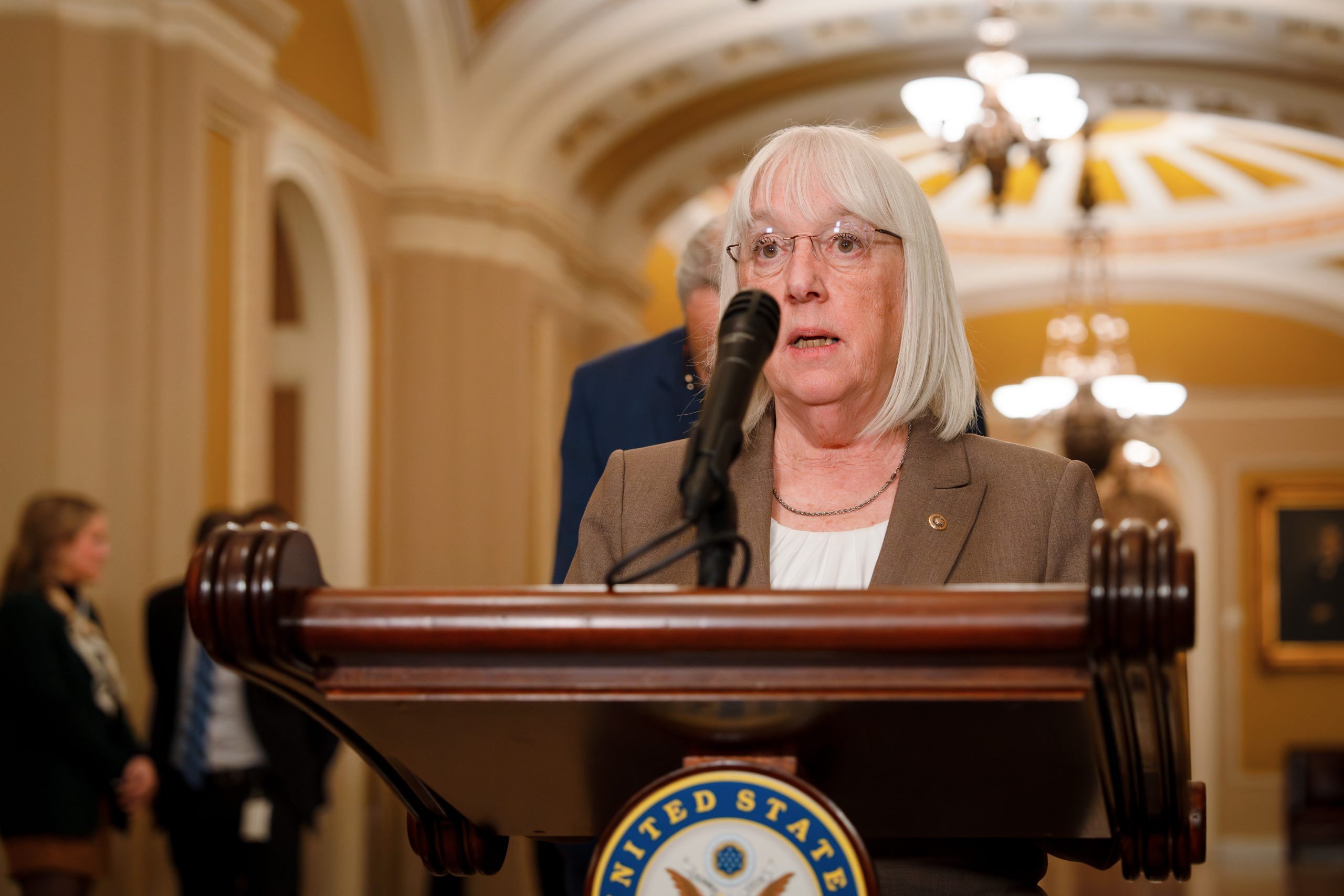
Washington, D.C. — U.S. Senator Patty Murray (D-WA), a senior member and former Chair of the Senate Committee on Veterans’ Affairs, joined Senator Tammy Duckworth (D-IL) and colleagues in introducing new legislation that would ensure Iran veterans are covered under the PACT Act, cutting unnecessary red tape and making it easier for our servicemembers, who are being exposed to toxic substances, to access the specialized treatment they need when they return home. In 2022, the PACT Act helped generations of veterans, who served in places from Vietnam to Iraq, more easily receive care from the U.S. Department of Veterans Affairs (VA) by establishing a list of locations where it is presumed by law that troops who served there were exposed to toxic hazards. However, Iran is currently not included on this presumptive list, despite troops being exposed to many of the same hazards. The New PACT for Iran Veterans Act would require the VA to add Iran to the list of covered locations and take more proactive action to ensure Iran War veterans—and all veterans who serve in future conflicts—don’t have to jump through bureaucratic hoops in order to access the care they need through their service.
“Donald Trump might not care, but the cost of war includes supporting our veterans when they come back home,” said Murray. “This legislation is a commonsense next step to expand the PACT Act to make sure our servicemembers who served in Iran continue to receive the care they need after their service is over. As I continue fighting to end the war—I want to be crystal clear that I won’t let this President leave American veterans in the dust.”
Specifically, the New PACT for Iran Veterans Act would:
- Cut Red Tape for Iran War veterans by statutorily presuming toxic substance exposure for Iran War Veterans, helping streamline their access to health care and benefits at VA. The bill would ensure that federal law protects all veterans who fought in Iran, including those who operated in Iranian airspace and territorial waters.
- Leave no veterans behind by requiring, for the first time, that the VA’s Military Environmental Exposure Sub-Council (MEESC) conducts studies at least every five years to review all overseas assignments for toxic substance exposures. Additionally, when the military begins a contingency operation, the VA must commence a similar review of the locations from which servicemembers support this operation within 180 days. This would ensure the VA proactively looks into whether servicemembers are being exposed to toxic hazards, for current and future assignments.
- Enhance transparency at the VA by requiring the VA Secretary to publicly explain their justification for any denial of a country that’s recommended for presumed toxic-exposures in these reviews, or any removal of existing presumptions.
In addition to Senators Murray and Duckworth the legislation was also cosponsored by Senators Richard Blumenthal (D-CT), Angus King (I-ME), Bernie Sanders (I-VT), Mark Kelly (D-AZ), Peter Welch (D-VT), Michael Bennet (D-CO), John Fetterman (D-PA), Ron Wyden (D-OR), Maria Cantwell (D-WA), Angela Alsobrooks (D-MD), and Chris Van Hollen (D-MD).
The legislation is endorsed by Disabled American Veterans (DAV), Iraq and Afghanistan Veterans of America (IAVA), Paralyzed Veterans of America (PVA), VoteVets, Veterans of Foreign Wars (VFW) and the American Legion.
Full text of the bill is available HERE.
###