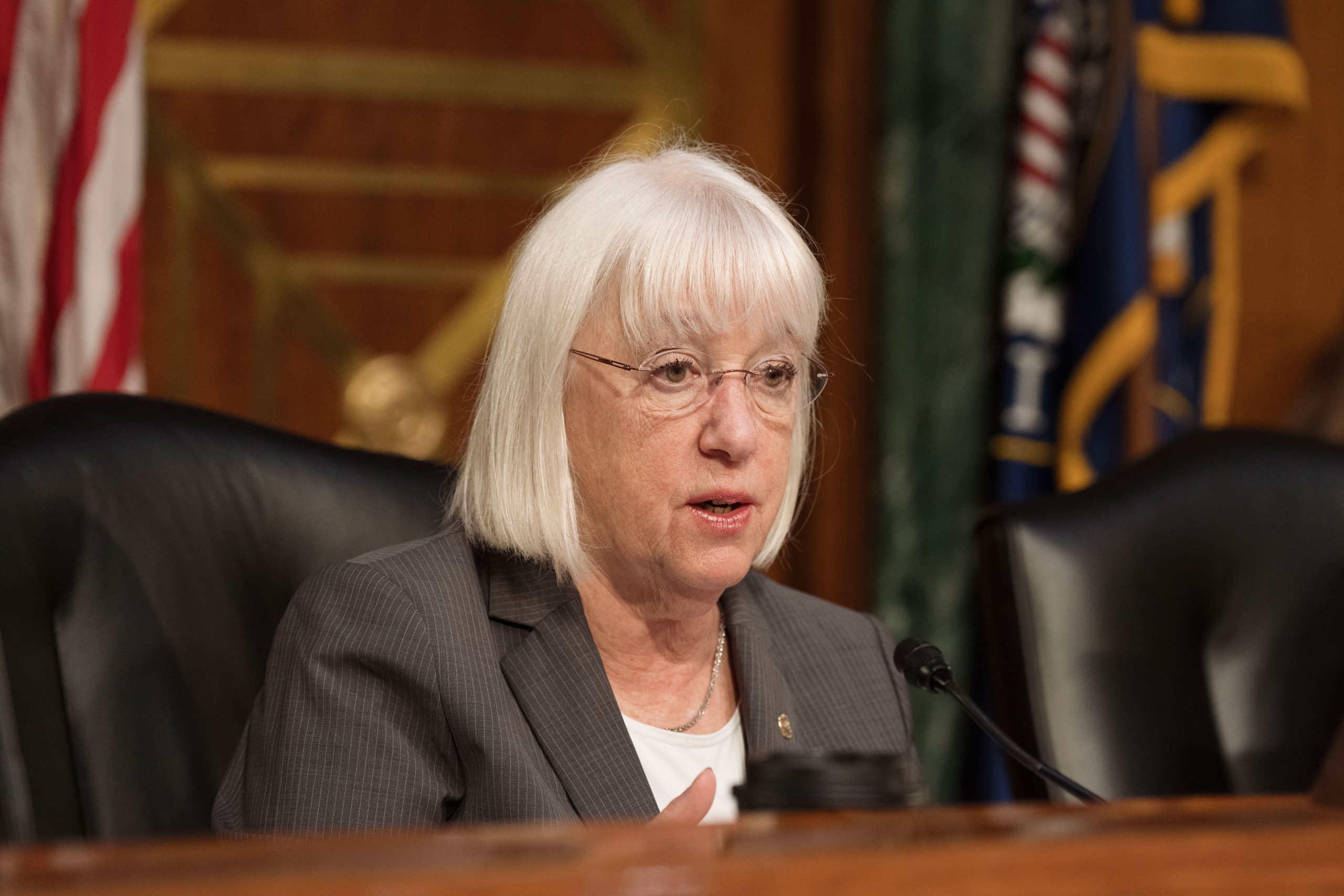
Murray: “Without improvements to implementation of the financial literacy program, DoD will be doing a great disservice to our men and women in uniform by making them less likely to succeed in both the military and in the civilian world.”
Washington, D.C. — U.S. Senator Patty Murray (D-WA), Vice Chair of the Senate Appropriations Committee and a senior member and former chair of the Senate Committee on Veterans’ Affairs, expressed her ongoing concern with the financial literacy program offered for servicemembers and their families in a letter to the Department of Defense (DoD).
“I am writing to follow up on the implementation of the Department of Defense’s (DoD) financial literacy program. This program provides servicemembers with training and counseling to help them navigate financial circumstances associated with relocations, deployments, and other challenges inherent to military life. Its goal is to equip them with the skills to manage their finances, use available resources effectively, achieve long-term financial stability, and secure a robust retirement for themselves and their families,” wrote Senator Murray.
Senator Murray continued, “Financial literacy is essential to preventing unsustainable debt, maintaining force readiness, and preparing servicemembers for their eventual transition to civilian life. Given the unique demands of military service, financial stress can cause anxiety, impair focus, and in some cases, jeopardize necessary security clearances. Those who separate from military service with significant debt also face greater risks of substance abuse, homelessness, and post-traumatic stress disorder.”
Senator Murray noted that while progress has been achieved through previous legislative action, there is still work to be done and “It is critical that the focus be placed on meaningful outcome improvements for servicemembers rather than perfunctory completion of training modules. This includes prioritizing one-on-one counseling, in-person trainings, and small class sizes over online training methods. It is also essential that financial literacy classes and resources be made available to military spouses.”
In the letter, Senator Murray urges greater oversight for existing financial literacy education initiatives, warning that without improvements to the current system “[the] DoD will be doing a great disservice to our men and women in uniform by making them less likely to succeed in both the military and in the civilian world.”
Senator Murray was the first woman to join the Senate Veterans’ Affairs Committee and the first woman to chair the Committee. As a daughter of a World War II veteran, she is a strong advocate for improving services to servicemembers and veterans to improve their transition civilian life. Last Congress, Senator Murray passed provisions of the Servicemembers Are Ready To (SMART) Save Act, to improve and expand DoD’s financial literacy training, in the Fiscal Year 2025 National Defense Authorization Act.
The full letter is available HERE and below:
Dear Under Secretary Tata:
I am writing to follow up on the implementation of the Department of Defense’s (DoD) financial literacy program. This program provides servicemembers with training and counseling to help them navigate financial circumstances associated with relocations, deployments, and other challenges inherent to military life. Its goal is to equip them with the skills to manage their finances, use available resources effectively, achieve long-term financial stability, and secure a robust retirement for themselves and their families.
Financial literacy is essential to preventing unsustainable debt, maintaining force readiness, and preparing servicemembers for their eventual transition to civilian life. Given the unique demands of military service, financial stress can cause anxiety, impair focus, and in some cases, jeopardize necessary security clearances. Those who separate from military service with significant debt also face greater risks of substance abuse, homelessness, and post-traumatic stress disorder.
Over the years, Congress has passed measures to expand the financial literacy program to make it more comprehensive and educate servicemembers on DoD’s new blended retirement system. The National Defense Authorization Act for Fiscal Year 2017 (FY17 NDAA, P.L.114-328) included a provision that established the Office of Financial Readiness, a central source for servicemembers and their families to access resources and information. Subsequently, the FY25 NDAA included portions of the Service Members Are Ready to Save Act (SMART Save Act), which I introduced with Senator Schmitt, to expand financial literacy training to more ranks in the military and provide additional information about retirement benefits.
While I am proud of these expansions, several other provisions of the SMART Save Act that were not included in the FY25 NDAA remain as potential solutions to improve the program. Of particular importance, the bill would shift the program’s focus from just module completion to truly developing proficiency in financial literacy. As DoD works on its multi-year study to identify standardized performance metrics for financial education, it is critical that the focus be placed on meaningful outcome improvements for servicemembers rather than perfunctory completion of training modules. This includes prioritizing one-on-one counseling, in-person trainings, and small class sizes over online training methods. It is also essential that financial literacy classes and resources be made available to military spouses.
Furthermore, DoD should take steps to address the financial literacy program implementation challenges raised in a recent Government Accountability Office report. According to the report, DoD officials are unable to fully track servicemembers’ training completion rates because of the number of training points, the irregular frequency of some of the training points, and limitations with their administrative systems. Due to the lack of tracking, DoD leaders are unaware of the extent or the causes of non-completion. However, officials acknowledged that non-completion is a problem.
Without improvements to implementation of the financial literacy program, DoD will be doing a great disservice to our men and women in uniform by making them less likely to succeed in both the military and in the civilian world. I request responses to the following questions to better understand the actions the DoD and military services are taking to ensure the financial literacy program is supporting our servicemembers, veterans, and their families.
- How does DoD plan to ensure that financial literacy training programs focus on proficiency instead of superficial module completion?
- What steps is DoD taking to better track the completion rates of financial literacy training programs and causes of non-completion? Please provide a detailed timeline for determining tracking metrics and instituting a tracking system across the military services.
- How is DoD educating its officials on the requirements and timelines of the financial literacy program? Does DoD plan to track any metrics on the understanding of officials on the requirements and timelines of the financial literacy program?
- What steps is DoD taking to ensure that military spouses have access to financial literacy training and one-on-one financial counseling?
I remain committed to supporting financial literacy education for our servicemembers and their families in Washington state and across the country. Thank you again for your time and attention to this important matter.
###