The Army recently announced that 29 museums will be closed or consolidated, including the Lewis Army Museum at JBLM
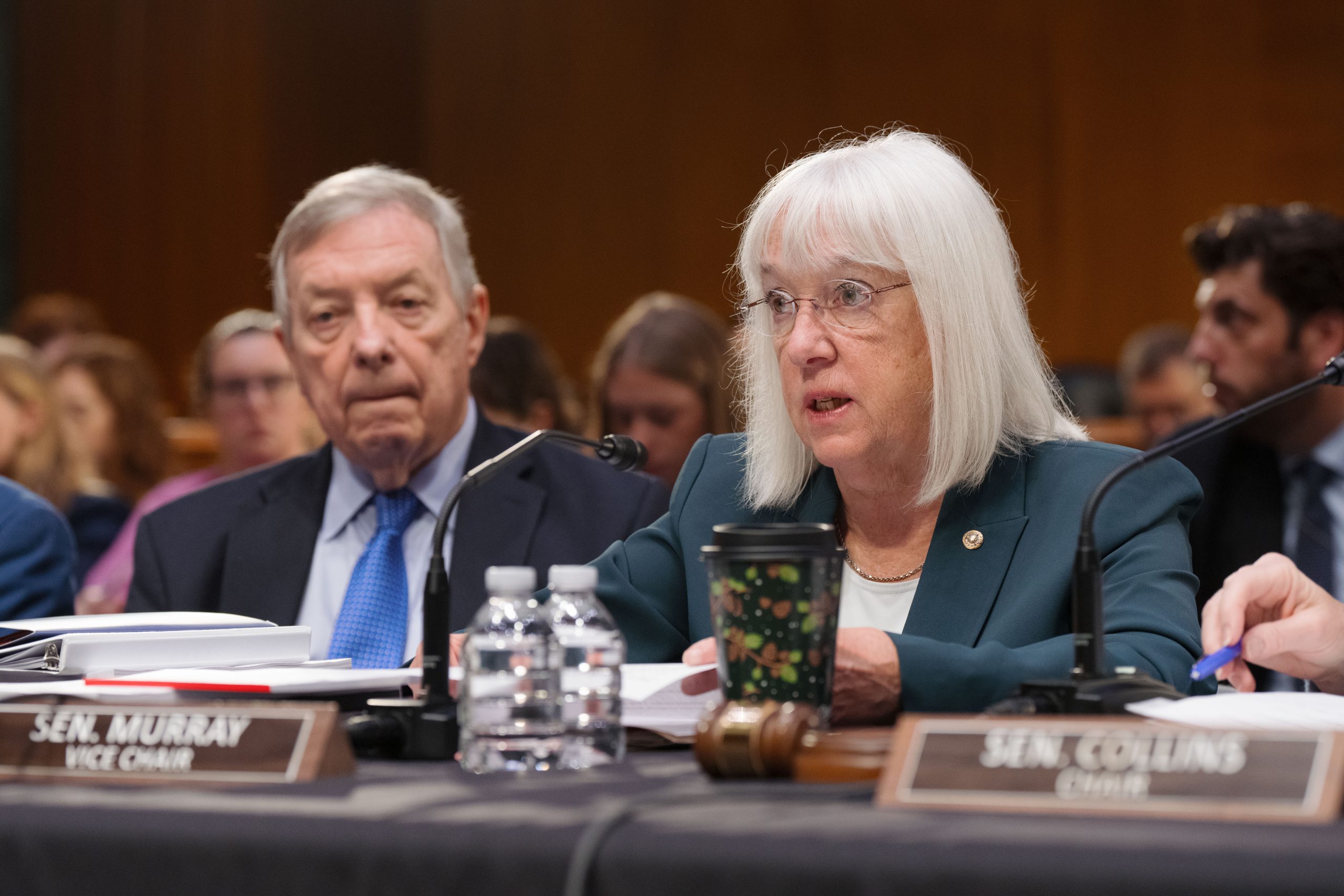
Washington, D.C. – Today, U.S. Senator Patty Murray, Vice Chair of the Senate Appropriations Committee, sent a letter to U.S. Army Secretary Daniel Driscoll, demanding answers as to why the Lewis Army Museum at Joint Base Lewis McChord (JBLM) will be closed, and shared how important the museum is for celebrating the rich history of military service at JBLM. The Lewis Army Museum is the only certified U.S. Army Museum on the entire West Coast.
The Army recently announced that 29 museums will be closed or consolidated, in order to direct more resources toward “readiness and lethality,” the list includes the Lewis Army Museum at JBLM. The Army Museum Enterprise provided no explanation when it announced it will shrink from 41 museums at 29 locations, to 12 field museums and four training support facilities at 12 locations.
Senator Murray began her letter by detailing the storied history of the soldiers the museum honors, “JBLM is named after Meriwether Lewis of the Lewis and Clark expedition and was established in 1917 to train the 91st ‘Wild West’ Division before deploying to Germany in World War I. Since then, JBLM soldiers have continued to serve bravely in all military conflicts. JBLM is home to Audie Leon Murphy, who earned fame as the most highly decorated American Soldier of World War II , and General John Shalikashvili, who later became the 13th Chairman on the Joint Chiefs of Staff. JBLM is full of rich history that deserves to be celebrated, not brushed to the side.”
“Educating our communities on the Army’s history is key to instilling national pride amongst servicemembers and the general public,” Senator Murray continued. “In fact, Secretary Hegseth has been very vocal about preserving our military’s history for the sake of improving morale. In the dedication of his book, Modern Warriors, Hegseth said ‘the legacy of our warriors is worth of elevation – a reflection of what we should really value.’ By closing the Lewis Army Museum, you are doing the exact opposite by not honoring the incredible sacrifice and service the men and women who have been stationed at JBLM have provided. You have said that ‘telling that story [of the Army] will directly lead to a recruiting boom,’ and there seems to be no better way to continue to tell that story than to continue to keep these important museums open to the public.”
Senator Murray concluded her letter by pushing for answers and emphasizing that JBLM was never consulted or given the opportunity to provide input if this decision was made to cut costs, writing: “According to the U.S. Army Center of Military Housing, the decision was made as a cost-cutting measure so the Army can direct more resources toward ‘readiness and lethality’ and will save $114 million over 10 years. Yet this decision comes at a time when President Trump is requesting a historically high defense budget of $1.01 trillion for fiscal year 2026, a 13.4 percent increase compared to fiscal year 2025. If this decision was made for cost-saving measures, JBLM was never consulted or given the opportunity for input. Colonel Kent Park, the outgoing garrison commander, said he heard of the closure through the media, and the closure was never discussed with him.”
Full text of the letter is available HERE, and below:
The Honorable Daniel Driscoll
Secretary of the Army
1600 Army Pentagon
Washington, DC 20310-1600
July 21, 2025
Dear Secretary Driscoll:
I am writing to express my concern and disappointment regarding the Army’s decision to shut down and consolidate 29 of its 41 military museums across the country, including the Lewis Army Museum, which honors the soldiers of Joint Base Lewis McChord (JBLM) in my home state of Washington. JBLM is named after Meriwether Lewis of the Lewis and Clark expedition and was established in 1917 to train the 91st “Wild West” Division before deploying to Germany in World War I.Since then, JBLM soldiers have continued to serve bravely in all military conflicts. JBLM is home to Audie Leon Murphy, who earned fame as the most highly decorated American Soldier of World War II, and General John Shalikashvili, who later became the 13th Chairman on the Joint Chiefs of Staff. JBLM is full of rich history that deserves to be celebrated, not brushed to the side.
In 1973, JBLM established the Lewis Army Museum to honor its soldiers and educate the public on the value of service. Located in the Red Shield Inn, the building was originally built during World War I by the Salvation Army to accommodate soldiers and their families and it was converted into a museum in 1973. Today, the Lewis Army Museum is the only certified U.S. Army Museum on the entire West Coast. It has an extensive display spanning from decorated artillery shells made in the trenches during World War I to pocket guides given to servicemembers before they deployed to Vietnam. It also showcases military vehicles, vintage uniforms, weapons, art, and other memorabilia donated by local veterans in the Puget Sound area.
Educating our communities on the Army’s history is key to instilling national pride amongst servicemembers and the general public. In fact, Secretary Hegseth has been very vocal about preserving our military’s history for the sake of improving morale. In the dedication of his book, Modern Warriors, Hegseth said “the legacy of our warriors is worth of elevation – a reflection of what we should really value.” By closing the Lewis Army Museum, you are doing the exact opposite by not honoring the incredible sacrifice and service the men and women who have been stationed at JBLM have provided. You have said that “telling that story [of the Army] will directly lead to a recruiting boom,” and there seems to be no better way to continue to tell that story than to continue to keep these important museums open to the public.
According to the U.S. Army Center of Military Housing, the decision was made as a cost-cutting measure so the Army can direct more resources toward “readiness and lethality” and will save $114 million over 10 years. Yet this decision comes at a time when President Trump is requesting a historically high defense budget of $1.01 trillion for fiscal year 2026, a 13.4 percent increase compared to fiscal year 2025. If this decision was made for cost-saving measures, JBLM was never consulted or given the opportunity for input. Colonel Kent Park, the outgoing garrison commander, said he heard of the closure through the media, and the closure was never discussed with him.
JBLM’s community is proud of its history and continued service to our nation and our servicemembers. Without an explanation given for this announcement, I request comprehensive answers to the following questions before August 11, 2025:
- What is the annual operating cost of the Lewis Army Museum?
- What processes and evaluations did the Army undertake to inform the decision to close the Lewis Army Museum?
- What is the plan to provide the Army Veterans located on the West Coast with a museum honoring their service to the nation?
- Why was the Lewis Army Museum chosen to close and other military museums allowed to remain open?
- What do you plan on doing with the artifacts in the Lewis Army Museum? Will the public still be able to see them somewhere after closure?
- Was there a public comment period on the planned museum closure decision? If so, what was the timeline and what feedback did the Army receive from the community?
- How is the Army planning to use the additional funds to enhance mission readiness and lethality?
- Are there specific programs that will absorb the additional funding? If so, which ones?
Thank you for your attention to this important matter, and I look forward to your prompt and thorough response.
###